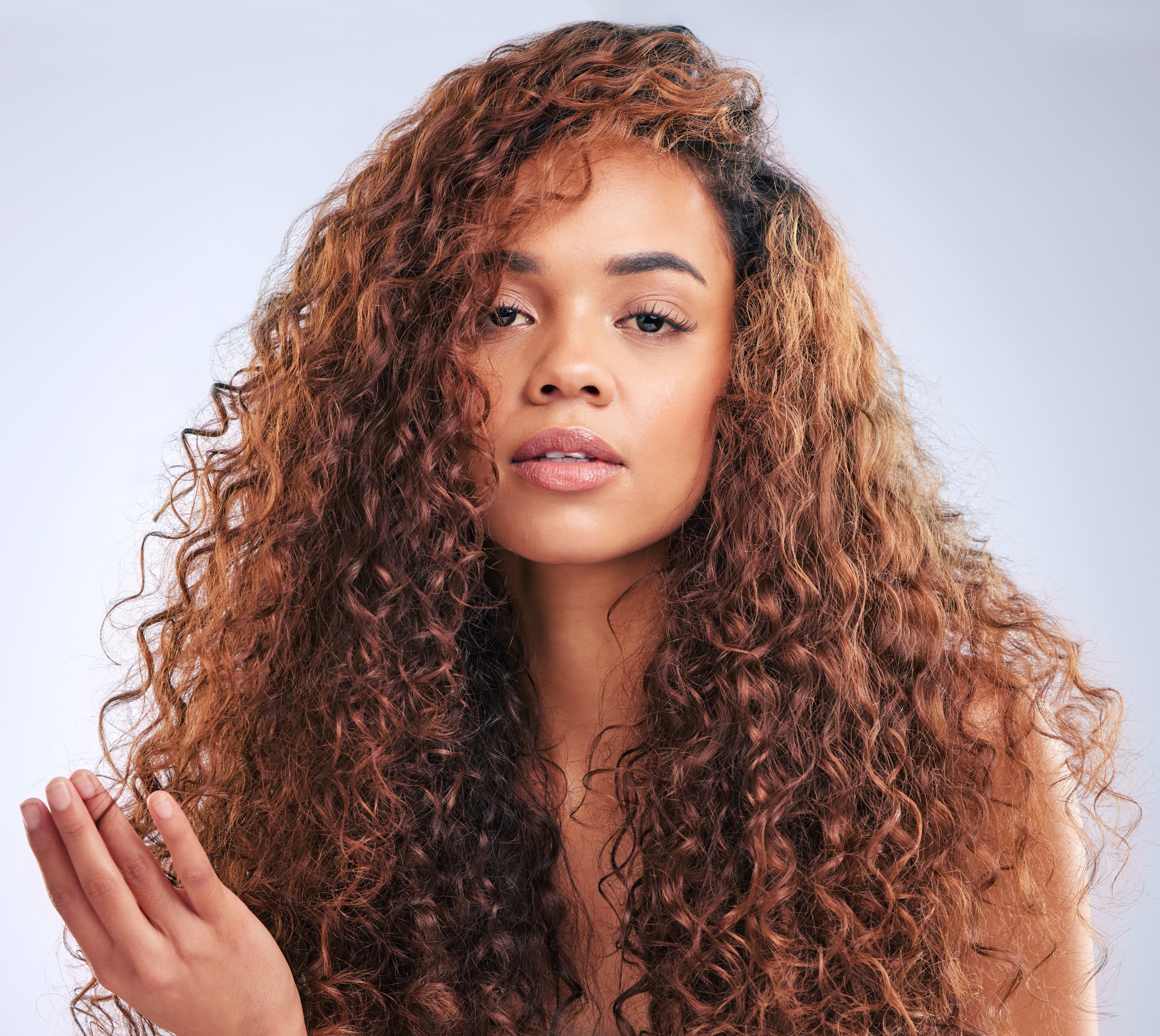
Ethical Extensions 2026: Conscious and Responsible Beauty
By 2026, 73% of French consumers stated they would prioritize ethical and responsible beauty products. The hair extension market is no exception to this trend.
But what exactly is an ethical hair extension? How can you be sure your hair is responsibly sourced? What certifications should you look for? And how can you achieve a natural look while staying true to your values?
The hair extension market is opaque. Questionable collection conditions, non-existent traceability, aggressive chemical treatments... It's time to make informed choices.
In this comprehensive 2026 guide, discover everything about natural and ethical hair extensions: selection criteria, certifications, responsible brands, and how to combine beauty and conscience.
What is an Ethical Extension?
The 5 Pillars of Hair Ethics
1. Responsible Sourcing
- Hair donated voluntarily (not sold out of necessity)
- Fair compensation for donors
- Full traceability of origin
- Transparent collection conditions
2. Respect for Human Rights
- No forced labor or exploitation
- Informed consent of donors
- Decent working conditions
- No child labor
3. Total Transparency
- Precise geographical origin
- Documented collection process
- Traceable supply chain
- Verifiable certifications
4. Environmental Sustainability
- Minimal or no chemical treatments
- Recyclable or biodegradable packaging
- Durable products (3-5 years)
- Reducing carbon footprint
5. Premium Quality
- 100% natural human hair
- Cuticles intact and aligned
- Zero synthetic hair mixed in
- Maximum lifespan
The Problem of Unethical Sourcing
The Hidden Realities of the Market
Collection driven by economic necessity:
In some countries, women living in poverty sell their hair for a few euros, with no real economic alternative. It's not a voluntary act of giving; it's a necessity.
Lack of traceability:
85% of hair extensions on the market have no traceability. It's impossible to know where the hair actually comes from.
Collection conditions are opaque:
Some of the hair comes from religious temples where women make hair offerings. This hair is then resold without their consent or compensation.
Aggressive chemical treatments:
To make the hair from several donors look uniform, heavy chemical treatments are applied, destroying the natural structure.
How to Recognize Ethical Extensions
Criterion 1: Official Certifications
Certifications to look for:
- Fair Trade Hair: Fair Trade Hair
- Ethical Hair Extensions: Verified ethical sourcing
- Traceable Origin: Documented Provenance
- Cruelty-Free: No exploitation
Warning: Demand certificates, not just logos.
Criterion 2: Supplier Transparency
Questions to ask:
- Where exactly did this hair come from? (country, region)
- How were they collected?
- Were the donors paid? How much?
- Can you provide a certificate of origin?
- What treatments were applied?
Red flag: Vague answers or refusal to answer.
Criterion 3: Hair Type
Raw Hair = More Ethical
Raw hair (untreated virgin hair) is generally more ethical because:
- Sourced from a single donor (traceability)
- No chemical treatment (respect for nature)
- Premium quality (lasts 3-5 years = lower consumption)
- Higher price = best possible compensation for donors
Criterion 4: Consistent Pricing
Price too low = Red flag
Ethical extensions with responsible sourcing and fair compensation cannot be sold at €50 per pack.
Consistent pricing:
- Raw ethical hair: €250-600
- Ethical Remy Hair: €150-350
Criterion 5: Brand Commitment
Check:
- Page dedicated to ethics on the website
- Partnerships with NGOs or associations
- Transparency reports published
- Written commitment on sourcing
The 3 Main Ethical Origins
1. India: Ethical Religious Donations
Context :
In India, some temples collect hair offered as a religious sacrifice. When this collection is done ethically:
- The proceeds from the sale fund charitable works.
- The donors are informed of the use
- Complete traceability from temple to buyer
Demand: Certificate from the temple of origin
2. Brazil: Direct Remuneration Collection
Context :
In Brazil, some cooperatives collect directly from volunteer donors:
- Fair compensation (€50-200 depending on length)
- Informed consent and signed contract
- Decent collection conditions
- Traceability from donor to buyer
3. Europe: Local Collection
Context :
Some brands collect their collections in Europe (France, Italy, Spain):
- High salary (€100-500)
- European standards respected
- Full traceability
- Reduced carbon footprint
Disadvantage: Higher prices (€400-800)
Natural Look 2026: Ethical Trends
Trend 1: Natural, Unmodified Textures
No more artificially smooth textures. In 2026, the focus will be on:
- Natural waves: Texture preserved without chemical straightening
- Authentic curly hair: Natural curls respected
- Kinky original: Natural, unrelaxed, kinky texture
Ethical advantage: Fewer chemical treatments = respect for the natural state of the hair
Trend 2: Natural Colors
Natural colors (brown, black, chestnut) are preferred:
- No coloring required
- Respect for the original color
- Fewer chemical treatments
If coloring is desired: Opt for plant-based dyes.
Trend 3: Reasonable Lengths
Out with extreme lengths (30+ inches). In 2026, the focus will be on:
- 18-20 inches (45-50 cm): Natural and versatile
- 14-16 inches (35-40 cm): Short and modern
Why: Natural lengths = less hair needed = more ethical sourcing
Trend 4: Moderate Volume
Density 150% (natural) rather than 200%+ (artificial):
- More natural appearance
- Less weight on your hair
- Less hair needed
Trend 5: Gentle Methods
Prioritize harmless methods:
- Halo: Zero fixation
- Clips: Removable daily
- Tape-in: Soft adhesive
Avoid: Keratin (high heat), very tight weaves
The 7 Steps to Ethical Extensions
Step 1: Favor Raw Hair
Raw hair is the most ethical choice:
- Traceability of a single donor
- No chemical treatment
- Duration 3-5 years (less consumption)
- Premium quality
Step 2: Demand Traceability
Never buy without a certificate of origin:
- Country of origin
- Collection method
- Collection date
- Certifications
Step 3: Make it Last as Long as Possible
Extending lifespan = reducing consumption:
- Rigorous maintenance (washing, moisturizing)
- Systematic nighttime protection
- Moderate heat (max 180°C)
- Target lifespan: 3-5 years
Step 4: Buy Less, Buy Better
Rather than 3 low-end packs at €100 each:
- Invest in 3 packs of ethical Raw Hair for €300
- Duration 5 years vs 6 months
- Superior quality
- Positive ethical impact
Step 5: Favor Brands Committed to Ethical Practices
Choose brands that:
- They publish their transparency reports
- They support causes (education, health)
- Have verifiable certifications
- They communicate openly about their sourcing
Step 6: Avoid Fast-Fashioned Hair
Extensions priced at €30 on marketplaces = red flag:
- Questionable quality
- Opaque sourcing
- Duration 2-4 months
- Negative ethical impact
Action 7: Recycle or Donate
When your extensions reach the end of their lifespan:
- Donate them to charities (medical wigs)
- Recycle them (some brands take them back)
- Do not throw in the trash
NAHA HAIR Commitment: Our Ethical Charter
Our Responsible Sourcing
100% Raw Hair Traced:
- Origin: India (certified temples) and Brazil (cooperatives)
- Certificate of origin provided with each order
- Complete traceability from the donor to you
- No hairs of dubious origin
Fair Remuneration:
- Donors receive fair compensation
- Or the revenues fund charitable works (temples)
- Total transparency across the value chain
Our Environmental Commitment
- Zero chemical processing: 100% virgin raw hair
- Recyclable packaging: FSC-certified cardboard and recycled plastic
- Durability: Extensions 3-5 years (less consumption)
- Carbon offsetting: CO2-neutral deliveries
Our Transparency
- Annual Transparency Report published
- Visits to our suppliers are possible upon request.
- Certifications available on our website
- Written commitment regarding our sourcing
Our Support for Causes
- 1% of revenue donated to educational associations
- Partnership with NGOs for girls' education
- Used Extension Recycling Program
Frequently Asked Questions about Ethics
How can you verify that an extension is truly ethical?
Demand:
- Certificate of origin with precise provenance
- Official certifications (Fair Trade, Ethical Hair)
- Transparency regarding the collection method
- Consistent pricing (no suspiciously low prices)
Is Raw Hair still ethical?
Not automatically. Raw hair refers to quality (virgin, unprocessed), not ethical sourcing. Always check the origin and certifications.
Are ethical extensions more expensive?
Yes, generally 20-30% more expensive. But they last 3-5 years versus 6-12 months for standard ones. In the long run, it's more economical AND ethical.
Is it possible to have a natural look with ethical extensions?
Absolutely! Ethical Raw Hair extensions offer the most natural result because they preserve the original texture without chemical treatments.
What should I do with my old extensions?
Donate them to organizations that make medical wigs, or contact us for our recycling program.
Conclusion: Conscious Beauty in 2026
In 2026, beauty and ethics are no longer incompatible. You can have gorgeous extensions while respecting your values.
The 3 pillars of an ethical choice:
- Responsible sourcing: Traceability and fair compensation
- Durable quality: Raw Hair 3-5 years
- Natural look: Textures and colors preserved
Your purchasing power = Your power to act
Every purchase is a vote. By choosing ethical extensions, you encourage a more responsible and transparent market.
NAHA HAIR Guarantees:
- 100% Traceable Raw Hair – Certificate of Origin Provided
- Ethically sourced and verified – Total transparency
- Lifespan 3-5 years – Durable premium quality
- Fast delivery – Colissimo 2-4 days
- Satisfaction guaranteed or your money back – 14-day return policy for unopened products
Ready to make a conscious and responsible choice?